Kazemi was tortured and raped, says doctor
OTTAWA (CP) - A doctor's "gruesome" account of injuries he found on Canadian journalist
Zahra Kazemi only reinforces Canada's belief that the woman was murdered in Iran, Foreign
Affairs Minister Pierre Pettigrew said Thursday.
"We know that she was murdered and not the victim of an accident," the minister said in
Toronto. Canada has not given up on the case and will enlist international support against Iran,
Pettigrew added.
"We will be continuing to work with the international community, put the pressure on Iran so that
they render justice," he said.
Stockwell Day, the Tory foreign affairs critic, suggested the recall of Canada's ambassador and
the imposition of sanctions, but Pettigrew wasn't enthusiastic. Canada needs an ambassador
in Tehran to keep the pressure on, he said.
"I don't believe much in individual or bilateral sanctions but this is the kind of thing that we can
discuss with the international community."
Zahra Kazemi only reinforces Canada's belief that the woman was murdered in Iran, Foreign
Affairs Minister Pierre Pettigrew said Thursday.
"We know that she was murdered and not the victim of an accident," the minister said in
Toronto. Canada has not given up on the case and will enlist international support against Iran,
Pettigrew added.
"We will be continuing to work with the international community, put the pressure on Iran so that
they render justice," he said.
Stockwell Day, the Tory foreign affairs critic, suggested the recall of Canada's ambassador and
the imposition of sanctions, but Pettigrew wasn't enthusiastic. Canada needs an ambassador
in Tehran to keep the pressure on, he said.
"I don't believe much in individual or bilateral sanctions but this is the kind of thing that we can
discuss with the international community."
Alexa McDonough, the NDP foreign affairs critic, said the government must pursue "new measures" to see justice done.
"It must be open with Canadians and Ms. Kazemi's family as to the nature of these measures, be they direct measures with Iran, within
the United Nations or both," she said.
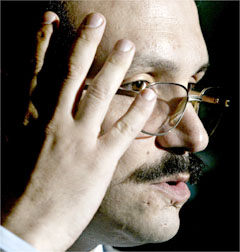
Refugee doctor Shahram Azam, formerly with the Iranian military, spoke with clinical coolness at an Ottawa news conference earlier
Thursday, methodically listing a tally of bruises, broken bones and other injuries he found on Kazemi. These could only have been the
result of the deliberate torture and rape, he said.
"It must be open with Canadians and Ms. Kazemi's family as to the nature of these measures, be they direct measures with Iran, within
the United Nations or both," she said.
Refugee doctor Shahram Azam, formerly with the Iranian military, spoke with clinical coolness at an Ottawa news conference earlier
Thursday, methodically listing a tally of bruises, broken bones and other injuries he found on Kazemi. These could only have been the
result of the deliberate torture and rape, he said.
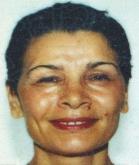
Kazemi, 54, an Iranian-born dual citizen, was arrested after taking pictures outside a prison in Tehran in June
2003.
Speaking through an interpreter, Azam recounted in a matter-of-fact way how Kazemi was brought into his
Tehran hospital unconscious and on a stretcher on June 27, 2003, four days after her arrest.
Azam, a former major in the Iranian security force, arrived in Canada on Monday. He fled Iran last summer
with his wife and daughter under the guise of seeking medical treatment.
Officials from the Foreign Affairs and Immigration departments interviewed him in Sweden in November and
fast-tracked his claim for refugee status.
2003.
Speaking through an interpreter, Azam recounted in a matter-of-fact way how Kazemi was brought into his
Tehran hospital unconscious and on a stretcher on June 27, 2003, four days after her arrest.
Azam, a former major in the Iranian security force, arrived in Canada on Monday. He fled Iran last summer
with his wife and daughter under the guise of seeking medical treatment.
Officials from the Foreign Affairs and Immigration departments interviewed him in Sweden in November and
fast-tracked his claim for refugee status.
Reading from notes he said he made when he examined Kazemi, Azam said he found horrendous injuries, ranging from a broken nose
and finger bones to head and body bruises, a ruptured ear drum, lash marks, torn-off fingernails and toenails and feet beaten blue.
He said as a male doctor in a military hospital, he was banned from examining a woman's genitals, but the nurse who did so told him of
"brutal damage."
"As a doctor, I could see this was caused by torture," Azam said.
Iranian officials have said she died after she went on a hunger strike, fainted and struck her head as she fell.
"This was not an accident," Pettigrew scoffed.
Azam recited his findings in a calm, detached manner, gesturing to describe the location of some of the worst bruises.
He said a CAT scan that night showed bleeding in the brain and he learned the next day his patient was brain dead. The incident shook
him.
"It was the first time I saw a patient brought in from a prison," he said. "It was so shocking for me."
He said he had to come forward to tell his story freely because "I am a human being."
Marlys Edwardh, lawyer for the family, said Azam's recollections match the description given by the women's mother, who was allowed to
briefly view the body in the hospital.
She said his account also makes it clear the Iranian government has lied about the case from the start.
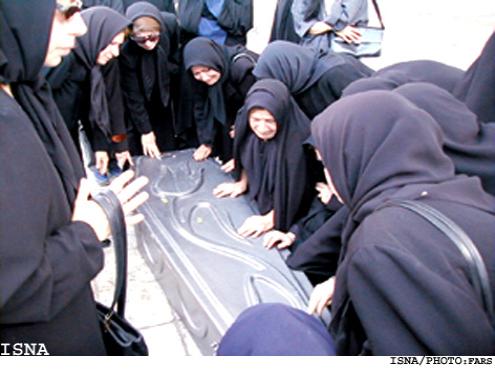
The 54-year-old photojournalist, who was
working for Canada's Camera Press
journal, was pronounced dead from brain
hemorrhage in a Tehran hospital on July
11, 2003.
working for Canada's Camera Press
journal, was pronounced dead from brain
hemorrhage in a Tehran hospital on July
11, 2003.
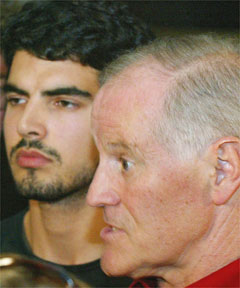
Kazemi's son, Stephan Hachemi, who has kept his mother's case in the public eye for months, watched expressionless from the
audience as Azam delivered his grisly findings.
Hachemi kept his emotions under tight rein as he said he's disappointed with the Canadian government's lack of progress in getting
justice for his mother.
"I'm continuing what my mother has started by standing up to the Iranian regime," he said.
Edwardh said the family wants Prime Minister Paul Martin to press Iran for a full criminal investigation of the case. Iran put a low-ranking
official on trial last year, but he was acquitted after a hearing that was seen as a sham.
Edwardh said the government should press for international mediation and compensation for Kazemi's family.
Pettigrew said officials will meet the family's lawyers to discuss all options.
"The family needs answers, Canadians want answers and we will not stop pursuing this case until justice is rendered," he said.
Martin, who said his officials will meet Hachemi, condemned the Iranian behaviour.
"By any standard, this is simply unacceptable."
Justice Minister Irwin Cotler said in Montreal that his officials are looking at what actions Canada might pursue.
"We're going to look at the legal options that are available to the Canadian government," he said.
Hachemi said all Canadians have a stake in his mother's case.
"It's everybody's responsibility," he said. "It's not a personal matter, it's a national matter, it's an international matter."
source: canoe.ca
audience as Azam delivered his grisly findings.
Hachemi kept his emotions under tight rein as he said he's disappointed with the Canadian government's lack of progress in getting
justice for his mother.
"I'm continuing what my mother has started by standing up to the Iranian regime," he said.
Edwardh said the family wants Prime Minister Paul Martin to press Iran for a full criminal investigation of the case. Iran put a low-ranking
official on trial last year, but he was acquitted after a hearing that was seen as a sham.
Edwardh said the government should press for international mediation and compensation for Kazemi's family.
Pettigrew said officials will meet the family's lawyers to discuss all options.
"The family needs answers, Canadians want answers and we will not stop pursuing this case until justice is rendered," he said.
Martin, who said his officials will meet Hachemi, condemned the Iranian behaviour.
"By any standard, this is simply unacceptable."
Justice Minister Irwin Cotler said in Montreal that his officials are looking at what actions Canada might pursue.
"We're going to look at the legal options that are available to the Canadian government," he said.
Hachemi said all Canadians have a stake in his mother's case.
"It's everybody's responsibility," he said. "It's not a personal matter, it's a national matter, it's an international matter."
source: canoe.ca

 |  |  |  |  |  |  |  |

Iran is the only country in the world that 'officially' executes children. According to the United Nations, a child is a person under the age of 18. Despite the fact that Iran has signed International Covenants that forbid them to execute anyone who has allegedly committed an offence before the age of 18, they continue to do so. Since 1990, Amnesty International has recorded 30 executions of child offenders and over the last couple of years the rate is increasing. Currently, there are at least 86 minors on death row in Iran. Time is of the essence. Together we will make them STOP the execution of minors!

Sign the petition at www.stopchildexecutions.com to help to save their lives.
| booklist | alternative media | animations | about us | disclaimer | links ©BODAZEY.COM 2003-2008 and its trademarks are copyrighted. All rights reserved |
